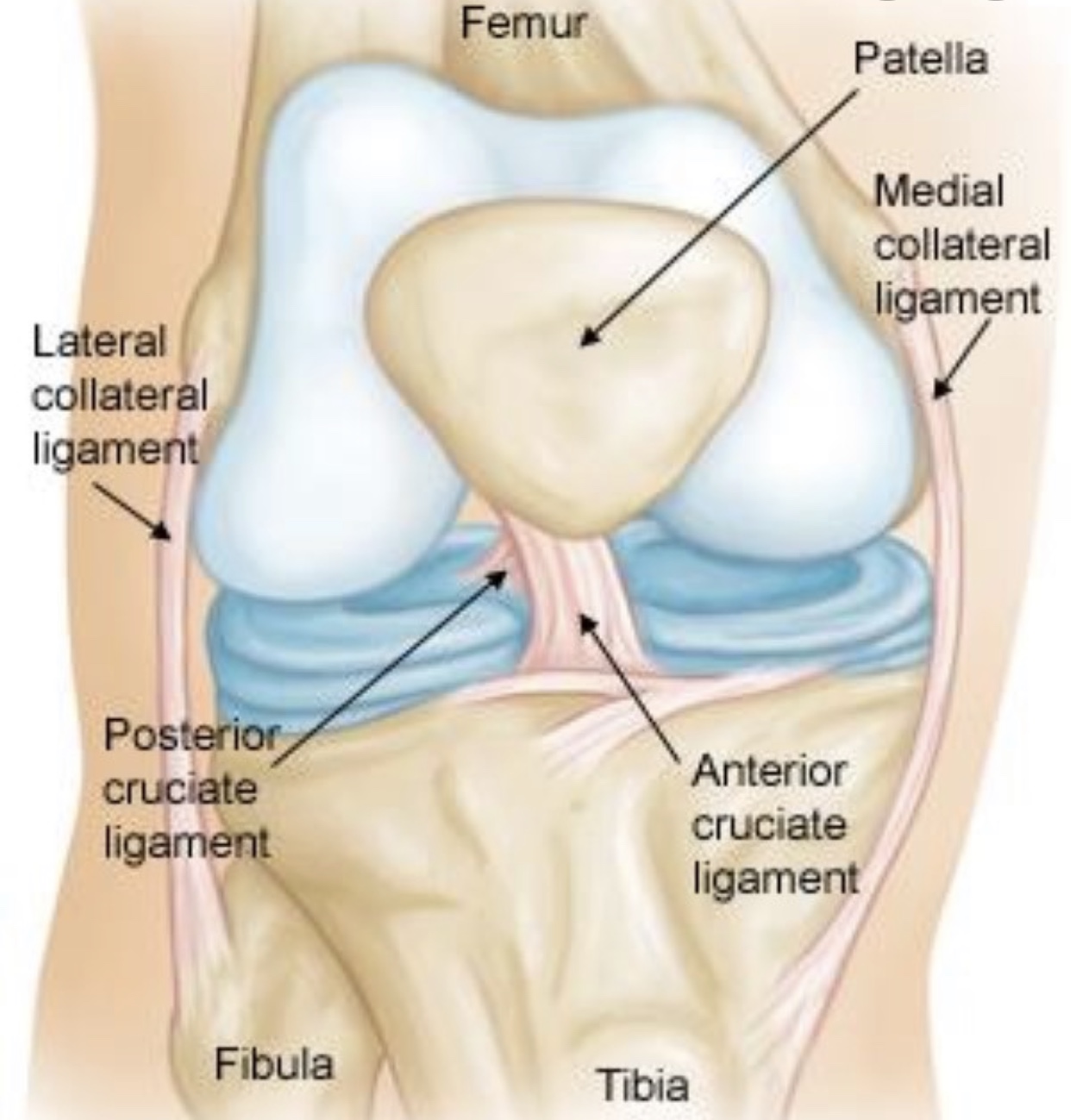
CLEVELAND, Ohio– Anterior cruciate ligament injuries are very common within the realm of women’s soccer. Women’s soccer players have the third-highest ACL injury rates in National Collegiate Athletic Association sports behind men’s spring football and women’s gymnastics. Additionally, soccer players are uniquely susceptible to muscle strains and ligament sprains due to the quick changes in direction, lateral movements, pivoting and the rapid accelerations and decelerations involved in the sport. Why is this? The fast pace that the sport calls for is why most ACL injuries occur, not even considering the contact ACL injuries. These statistics only continue to grow.
Redshirt Senior Kristen Roe, is no stranger to the rehab process of an ACL injury. Roe plays soccer at Indian Tech and is native to Saint Thomas, Ontario. Her injury occurred during the game after taking minimal to no contact while competing for a header on the pitch.
“The whole rehab process was difficult,” Roe said. “Mentally, it’s challenging because you have to realize that your body can’t function the way you’re used to. You have certain standards you hold yourself to and it’s hard to ignore them for a while to let yourself heal. Physically, rehab is exhausting. Having a teammate like Hadley Hopkins during my recovery was so crucial. It motivated me knowing that we were going through the same thing and would both be back playing together soon.”
Kristen Roe, redshirt senior
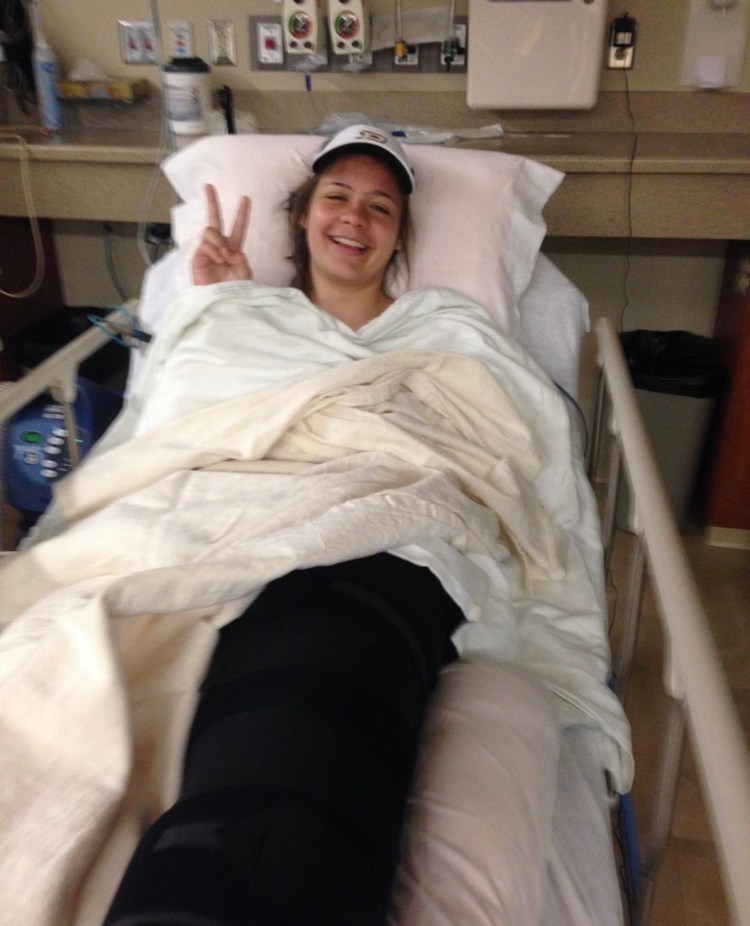
Kristen Roe, redshirt senior 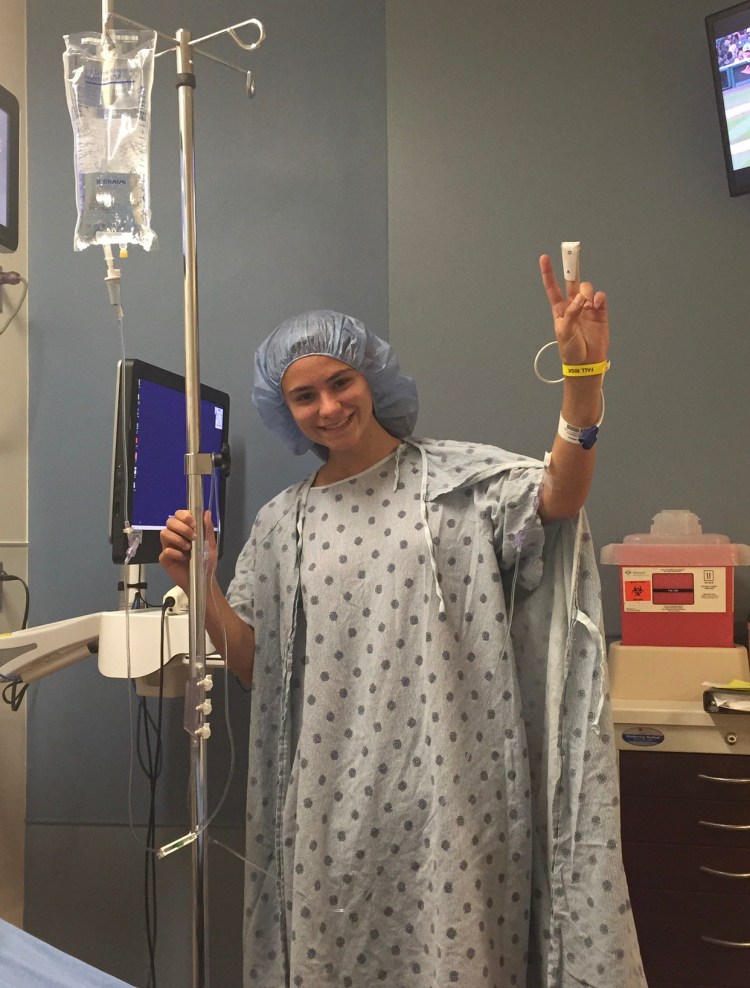
Hadley Hopkins, redshirt senior
ACL tears account for up to 64 percent of athletic knee injuries in cutting and pivoting sports, and these injuries result in 120,000–200,000 ACL reconstructions performed annually in the United States alone, with a cost of around $1.7 billion annually. Not only is the reconstruction of an ACL financially increasing, it is also one of the most innovative reconstruction surgeries. The reconstruction process is constantly changing whether it’s a repair through the patellar tendon, hamstring, quadricep, or even a cadaver ACL.
Freshman Elania Monroe, is also not a stranger to the ACL reconstruction process. Monroe was receiving a pass during collegiate play and was tackled hard from her opponent, resulting in her injury. Monroe’s injury differs from Roe’s since she was injured due to contact, and not a mishap of landing. The ACL reconstruction varies with grafts, but the two both chose to use hamstring grafts. Different tracks of physical therapy due to challenges per individual is another accolade that sets these two athletes and their recoveries apart.
“What motivates me is getting back to soccer and my best self,” Monroe mentioned. “My outlook has changed since I endured surgery. I will never take stepping on the field for granted ever again or even my health for that matter. It’s a blessing to be able to play the game. I thank God everyday for giving me such a beautiful gift.”
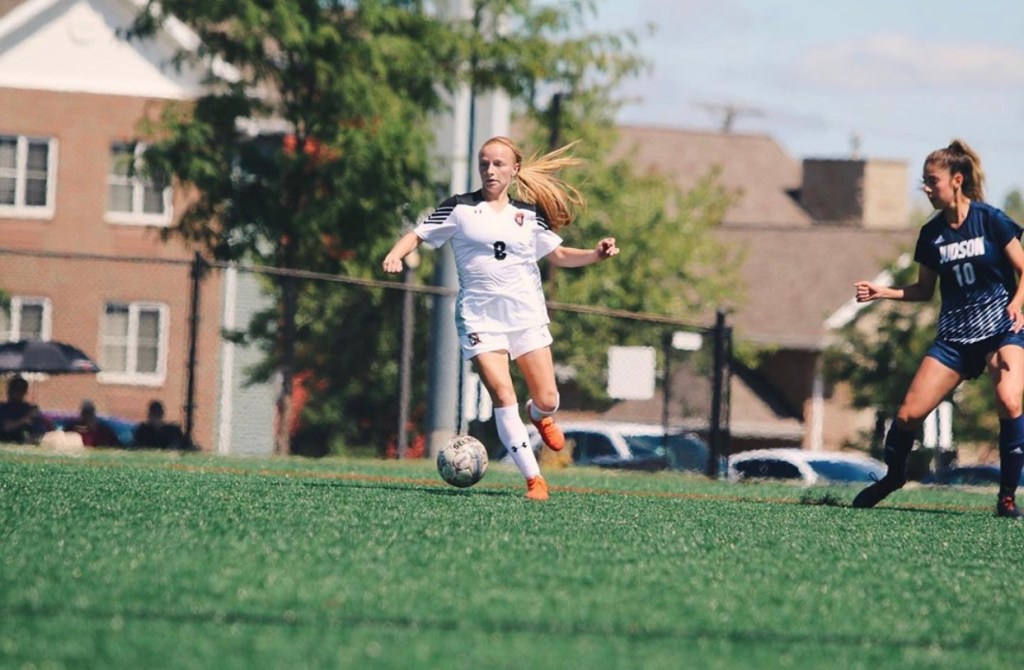
Elaina Monroe, rising sophomore
Clinicians should be discouraged not to use strict time frames and protocols when treating patients following ACL reconstruction. ACL recovery time ranges from about four months to nearly 16 months for some. Guidelines should be followed that allow the rehabilitation specialists to progress the patient as improvements in strength, edema, proprioception, pain, and range of motion are demonstrated. Prior to returning to sport, specific objective quantitative and qualitative criteria should be met. Return-to-play testing is especially crucial for athletes wishing to get back to competition, but many can feel discouraged during this time knowing that the “numbers” needed are not met with ease. Many precautions are set in place to ensure overall health, but this recovery for an athlete is a different type of challenge.
Transfer and 5th Year Senior Kelsey Combs is yet another athlete that underwent knee surgery. Although her surgery only included her meniscus, she still partaken in similar rehabilitation efforts as one recovering from an ACL reconstruction. Similar to Monroe, Combs was injured during contact with both the ball and opponent.
“I kept telling myself that everything happens for a reason and ‘though it may not seem like it currently, sometime in the future you’ll [I’ll] look back at this injury as a blessing,’ which I do to this day,” Combs said. “I know my injury is very minimal compared to some others, but it still tests you mentally, physically and emotionally. Knowing how difficult recovering from an injury is helps me to better understand my teammates going through similar struggles, whether it’s a noticeable battle or not. You relate to one another easier and learn how strong each other are.”
Kelsey Combs, transfer & 5th year
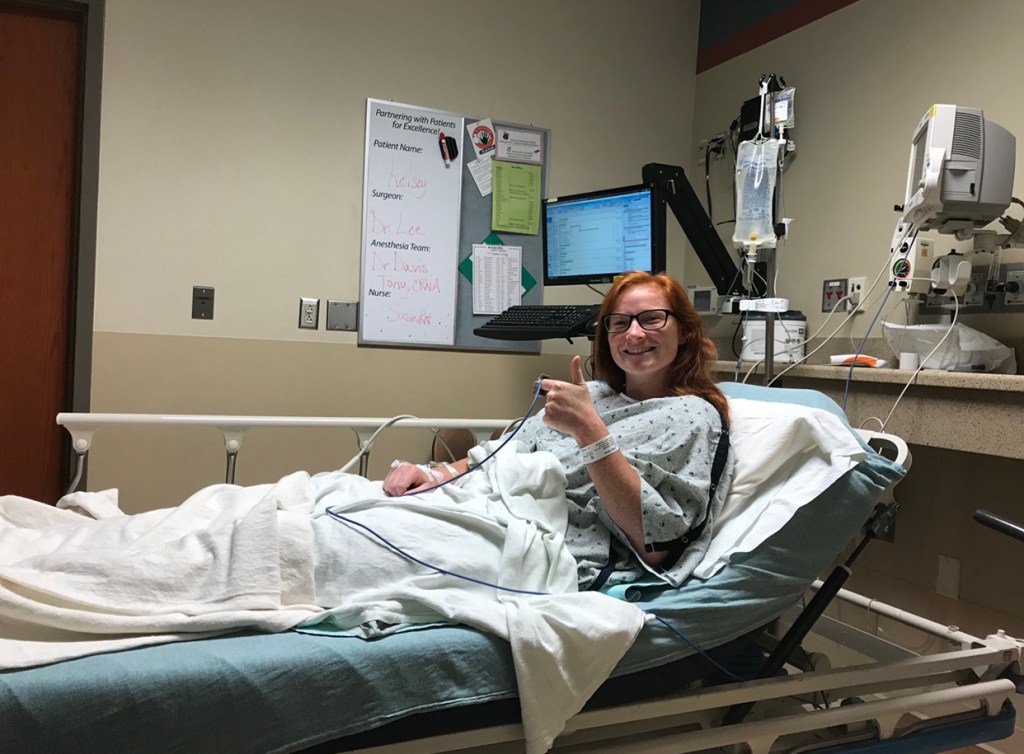
Many physical therapists recommend having a support group or system within reach during rehabilitation. Difficult roads often lead to beautiful destinations, but it’s the journey that outlasts the view. The rehabilitation process should be seen as this journey. ACL injuries are seen as more of the physical battle at hand, but within these interviews, they are not. Mental health during such an injury takes a toll and some may never heal from that wound.
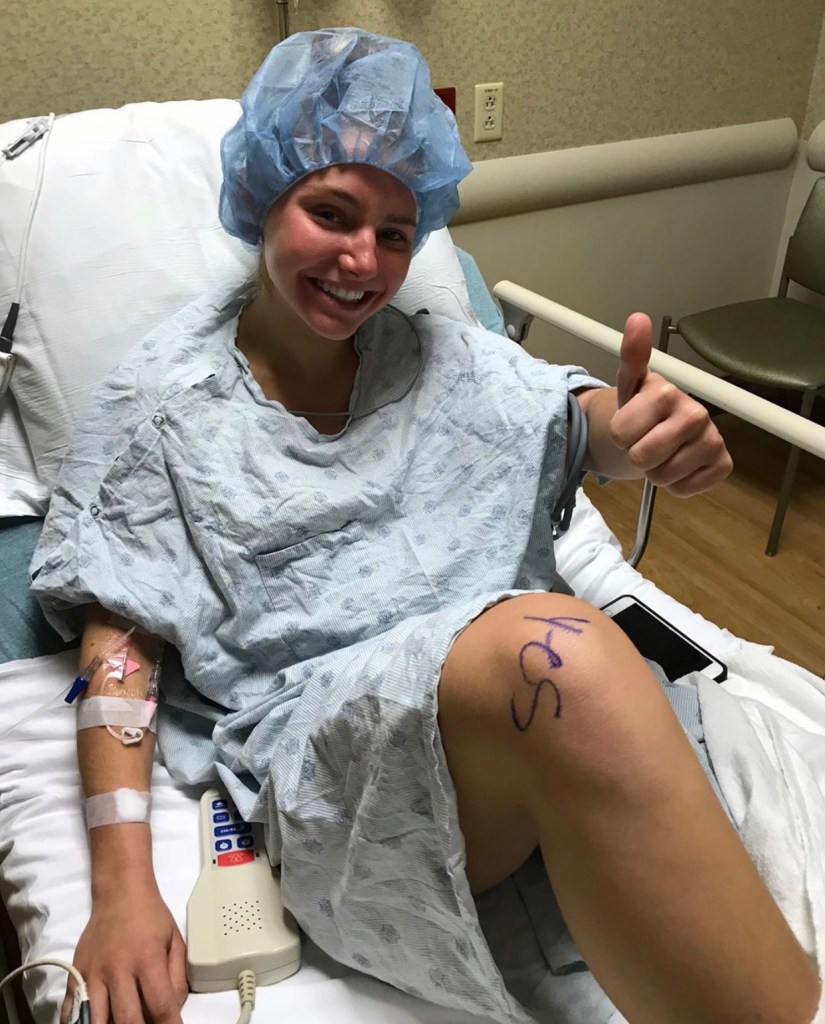
“My piece of advice would be to take videos,” Lydia Miller, senior at Indiana Tech voiced. “I remember when I couldn’t do certain activities, but now that I can, I use that disbelief I had and turn it into motivation. Work harder to be better than you were before and the comeback will ultimately be more rewarding than the setback. Little victories count too.”
Lydia Miller, rising senior
 daniblago10